


The change from Christmas cheer to quieter January routines often brings clarity. When adult children spend time with their older parents over the festive period, small everyday moments can start to stand out in new ways – a little hesitation making a cup of tea, a task that takes a bit more effort, or a sense that confidence isn’t quite what it used to be.
These observations aren’t about alarm bells, they’re about insight. And they can help you notice when elderly support might help your loved one maintain comfort and independence at home.
This guide walks you through the subtle signs to look for after Christmas and how you can respond in a supportive, respectful way – without taking over.
Why January Matters for Home Support
January isn’t just the first month of the year, it’s the time when routines re-set, post-holiday stress fades, and families have the space to reflect. It’s common for adult children to realise, now that the pace has slowed, that the everyday tasks their parents have always handled might not feel quite as easy.
Whether you’re living nearby or keeping an eye in a long-distance way, this is a great moment for a gentle check-in.
5 Signals Your Loved One May Benefit from Extra Support
Below are subtle signs (not urgent crises) that can indicate it’s time to consider a little extra day-to-day help.
1. A Daily Task Seems Harder Than It Used To
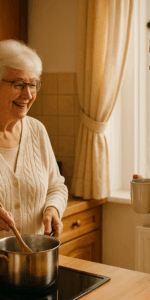
Tasks like lifting a heavy kettle, reaching for something on a shelf, or stirring pots might take more effort – especially for older adults living with conditions like arthritis or reduced strength. These small changes can quietly affect confidence.
2. They Move Cautiously or Appear Uneasy
A slower pace, frequent pausing, or visibly gripping counters or furniture for balance could be cures that confidence at home is dipping.
3. A shift in Household Habits
If your loved one starts eating simpler meals, using the microwave more often, or skipping parts of their usual routine, it might be connected to physical strain or worry about safety.
4. Near-Miss Incidents
A spill that didn’t quite happen, a stumble that didn’t quite become a fall – these ‘’near misses’’ are important. According to the UK’s health data, falls are one of the leading causes of injury among adults aged 65 and over, with a significant portion of these occurring at home.
5. They Express Hesitation or Hesitancy
Sometimes the signs are verbal: ‘’I didn’t want to trouble you,’’ or ‘’I manage find,’’ even when its clear things feel tougher. Adults often underplay changes out of pride or privacy.
Support That Preserves Independence – Not Replaces It
Helping your loved one doesn’t have to mean taking over. In fact, the best long-term support comes from solutions that enhance ability, not undermine it.
Here’s what that can look like:
Daily Living Aids Can Bridge Small Gaps
Tools designed to support everyday living – from stabilising mats to easy-grip kitchen aids – provide practical help without taking control. These aids are most effective when they:
- Reduce physical strain
- Improve confidence in familiar tasks
- Allow the person to continue their routine
- Support independence at home
Instead of thinking about support as ‘’help,’’ think of it as enabling independence.
How to Gently Start the Conversation
Bringing up support can feel delicate. Try framing it around comfort and confidence:
- ‘’I noticed carrying that felt a bit harder – would you like to make that easier?’’
- ‘’I want you to feel comfortable doing your favourite things at home.’’
- ‘’I saw this tool that helped someone I know – would you like to try something like it?’’
These phrases focus on well-being, not dependency.
A Little Help Goes a Long Way
Supporting elderly parents at home isn’t about dramatic changes. It’s about listening to what you observed over Christmas, responding with kindness, and helping them stay confident in their routines.
Independence at home doesn’t vanish overnight – it evolves, And with mindful support, many older adults continue to live safely, comfortably and confidently in the places they love.
A Quick Reminder About Home Safety
UK health guidance emphasises the importance of spotting early risk factors – like balance issues or hesitation when moving – to reduce falls and injuries at home.
SOCIAL POST
January is often when we pause and reflect on what we noticed over Christmas.
- A little more hesitation.
- A task that seemed harder.
- A quiet moment that stayed with you.
Our latest blog is a gentle January Check-in for anyone caring for ageing parents – helping you recognise when a little extra support at home could make everyday life easier, safer, and more independent.
Because noticing is the first step, and support doesn’t have to mean taking over.








Leave a Comment