


Practical solutions that make daily tasks easier – for you or someone you care for.
If everyday kitchen tasks are starting to feel harder, opening jars, gripping utensils =, lifting a kettle or holding a mug – you’re not alone. Reduced grip strength and hand fatigue are common with arthritis, joint pain, aging, or reduced mobility. The good news?
Small, well-designed kitchen tools can make a big difference.
This guide focuses on everyday kitchen tools for weak grip and strength, chosen to help you stay comfortable, safe, and independent at home. It’s written for end users and for family members or carers looking for thoughtful, practical support.
Why Grip-Friendly Kitchen Tools Matter
Tasks that once felt automatic can become painful or risky when grip strength changes. Tools designed for reduced grip help by:
- Reducing strain on hands, wrists, and shoulders
- Improving control so you don’t have to grip as tightly
- Lowering spill and burn risk, especially with hot drinks
- Support confidence to keep doing things independently
When searching online, people often look for terms like kitchen tools for weak grip, best kitchen aids for arthritis, or easy grip utensils for daily living – because they want solutions that fit naturally into their everyday life.
1. Easy Grip Utensils for Daily Living
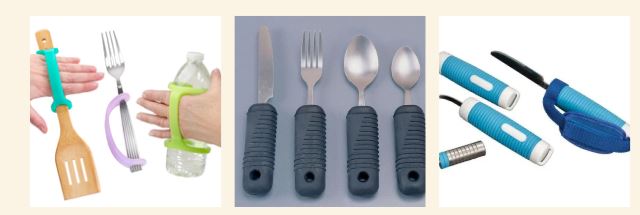
Standard cutlery and utensils can be slim and slippery, which makes them hard to hold. Easy grip utensils are designed with:
- Larger, cushioned handles
- Non-slip materials
- Lightweight materials
These features reduce the pressure needed to hold and control the utensil, making stirring, cutting, and serving more comfortable. They’re often recommended as assistive kitchen tools at home for people with arthritis or reduced hand strength.
2. Jar Openers and Bottle Grips
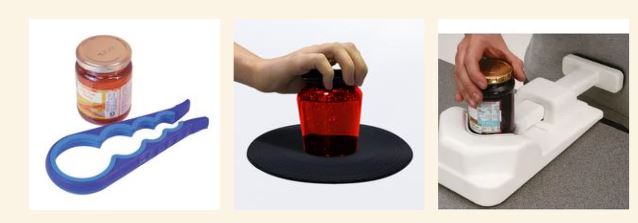
Twisting lids can be one of the most frustrating kitchen tasks. Jar openers, designed for reduced grip help by:
- Increasing leverage
- Improving friction
- Reducing the need for wrist rotation
Options range from handheld non-slip grips to easy use non-slip mats with multiple uses. These are simple tools, but they’re often described as some of the best kitchen aids for arthritis because they remove a major daily barrier.
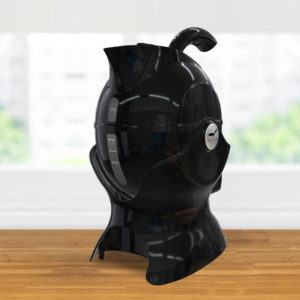
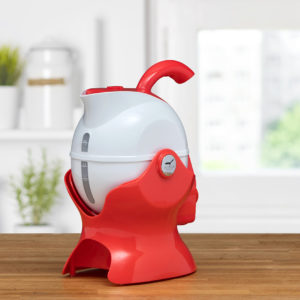
3. Lightweight and easy-pour kettles
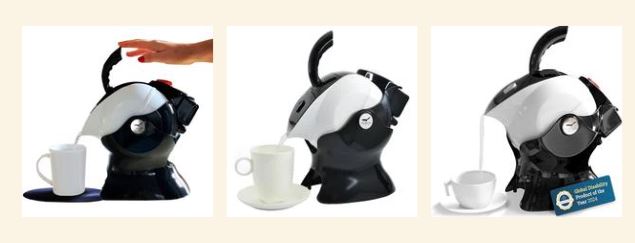
Pouring boiling water can feel risky when grip strength or balance is reduced. Easy-pour or lightweight kettles are designed to:
- Reduce lifting
- Improve balance while pouring
- Minimise strain on hands and wrists
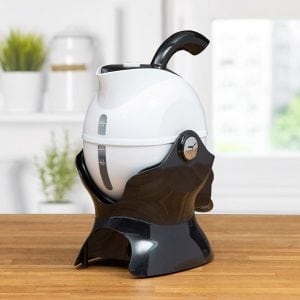
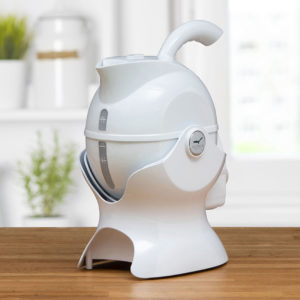
Some designed allow the kettle to tip rather than lift, which can be particularly helpful for anyone searching for assistive kitchen tools for weak grip or safer ways to make hot drinks at home.
4. Mug holders and 2-handled cups
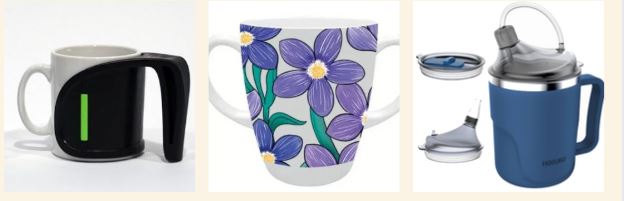
Holding a hot drink securely can be difficult with reduced grip. Two-handled mugs or mug holders:
- Spread weight across both hands
- Improve stability
- Reduce the chance of spills
They’re a small change, but one that can make enjoying a cup of tea or coffee feel relaxed again – an important part of everyday routine.
5. Non-slip mats and surface grips
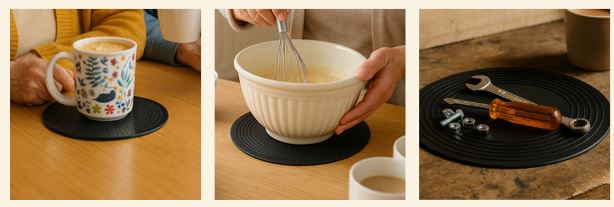
A non-slip mat placed under bowels, plates, or chopping boards can:
- Prevent items from sliding
- Reduce the need to grip tightly
- Make food prep safer and easier
These mats are often overlooked, but they’re a low-effort, high-impact solution for people with limited hand strength.
Choosing the Right Kitchen Aids for Reduced Grip
Whether you’re buying for yourself or a loved one, it helps to consider:
- Weight: lighter tools reduce fatigue
- Handle size: larger, softer grips are easier to hold
- Stability: non-slip bases add confidence
- Simplicity: tools should feel intuitive, not complicated
For family members and carers, focusing on comfort and dignity – rather than ‘’medical’’ solutions – often leads to better acceptance and long-term use.
Small Tools, Meaningful Difference
You don’t need to change the whole kitchen to make life easier. The right kitchen tools for weak grip and reduced strength can help maintain routines, reduce discomfort, and restore confidence – one everyday task at a time.
If you’re exploring assistive kitchen tools at home, start with the tasks that feel hardest. Even one small change can make daily living feel more manageable again.





Leave a Comment