


The UK Government has announced an additional £50 million investment to help older people and those living with disabilities live more safely and independently in their own homes.
The funding will be delivered through Disabled Facilities Grant (DFG) and distributed to local authorities, increasing total DFG funding for 20225-26 to £761 million. Each year, the grant already supports around 60,000 households, funding essential adaptations that help people remain at home for longer.
This latest boost is expected to help around 5,000 more people access vital changes to their homes.
What is the Disabled Facilities Grant?
The Disabled Facilities Grant is designed to fund practical adaptions that remove everyday barriers in the home. These may include:
- Stairlifts and ramps
- Accessible bathrooms and level-access showers
- Widened doorways and adapted kitchens
- Assistive technologies such as automatic door openers, lifts and smart controls for lighting and heating
These changes can make a significant difference, reducing falls, preventing hospital admissions, supporting carers, and avoiding the need for premature residential care.
As the Government has highlighted, the aim is simple: to help people live safely, independently and with dignity in the place they know best – home.
Beyond Major Adaptations: The Role of Everyday Living Aids
While large-scale adaptions are essential, independence at home isn’t only shaped by ramps and stairlifts.
For many people, it’s the small, everyday tasks that slowly become difficult – boiling the kettle, carrying a mug, preparing a simple meal. These are often the first signs that confidence is slipping, even before major adaptations are needed.
This is where daily living aids can play a powerful role.
Products designed to reduce strain, improve grip and minimise risk – particularly in the kitchen – can help people continue doing things for themselves safely, rather than giving them up altogether.
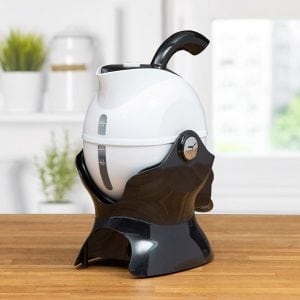
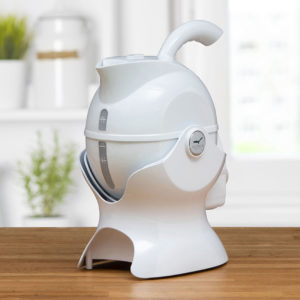
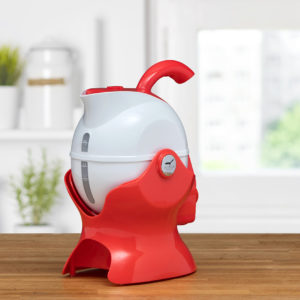
For example, a kettle that tips rather than lifts can:
- Reduce strain on hands, wrists and shoulders
- Lower the risk of spills and scalds
- Restore confidence in making a simple cup of tea – an everyday ritual many of us take for granted
Used alongside wider home adaptations, these aids help bridge the gap between medical support and real-life independence.
Can Daily Living Aids Be Funded Through the DFG?
The Disabled Facilities Grant is assessed and administered by local councils, often following an occupational therapy (OT) assessment,
While the DFG is commonly associated with larger adaptations, assistive equipment and technology can sometimes form part of a broader recommendation – particularly where it supports safety, independence and reduced risk at home.
For individuals or families exploring support, this may involve:
- Requesting an OT assessment through your local authority
- Discussing the challenges faced with daily tasks at home
- Exploring whether smaller aids could complement larger adaptations
Even where funding isn’t available, many families choose to introduce daily living aids themselves as an early, preventative step, rather than waiting until tasks become impossible.
Support Yourself – or Someone You Care For
If you’re caring for an older parents, partner or family member, it’s often the small changes that make the biggest emotional difference.
Introducing a practical aid:
- Reduces reliance on others
- Preserves routine and dignity
- Helps people stay confident in their own abilities
Products like the Uccello Kettle are often purchased directly by individuals or families who want to make life at home safer and easier – without turning the kitchen into a clinical space.
They can also be a thoughtful, practical gift for someone who may never ask for help but would quietly benefit from it every single day.
Independence Is Built One Step at a Time
True independent living isn’t just about structural changes. It’s about enabling people to continue doing the everyday things that give lift meaning: making a cup of tea, sharing a conversation, staying in control of their own space.
By combining home adaptations, assistive technology, and thoughtfully designed daily living aids, independence becomes more achievable – and more human.



Leave a Comment